
— Know your boundaries —
Property rights arguments that hold up in real courts
Learn practical, court-aware ways to push back on overreach without drifting into myths. We focus on documentation, Charter-aligned reasoning, and respectful participation—because your home is your castle, but the law still applies.
Document first, argue second
Build a clean record: photos, dates, notices, bylaw citations, and your responses. Strong facts help you raise issues like fences, noise, or lawn naturalization in a way a judge can actually weigh.
— Evidence beats outrage —
Respect the rule of law
We emphasize lawful advocacy: you’re bound by the Criminal Code, and courts matter. Use calm, precise language, cite real decisions (e.g., Ruck v Mississauga), and ask for reasons—not confrontation.
— Charter-minded, court-respecting —
Home as your “castle”
Understand where private enjoyment and municipal regulation collide. We outline arguments about property use, limits of bylaw enforcement, and the view that town hall acts as a corporation—so you can question authority without overclaiming it.
— Stand firm, stay lawful —
— Property Notes —
Your home, your rights: making a court-aware case on private property
Property rights aren’t slogans. They’re built from evidence, clear bylaws, and arguments that can survive scrutiny—while staying bound by the Criminal Code and respectful of Canada’s courts.

Document first · argue second
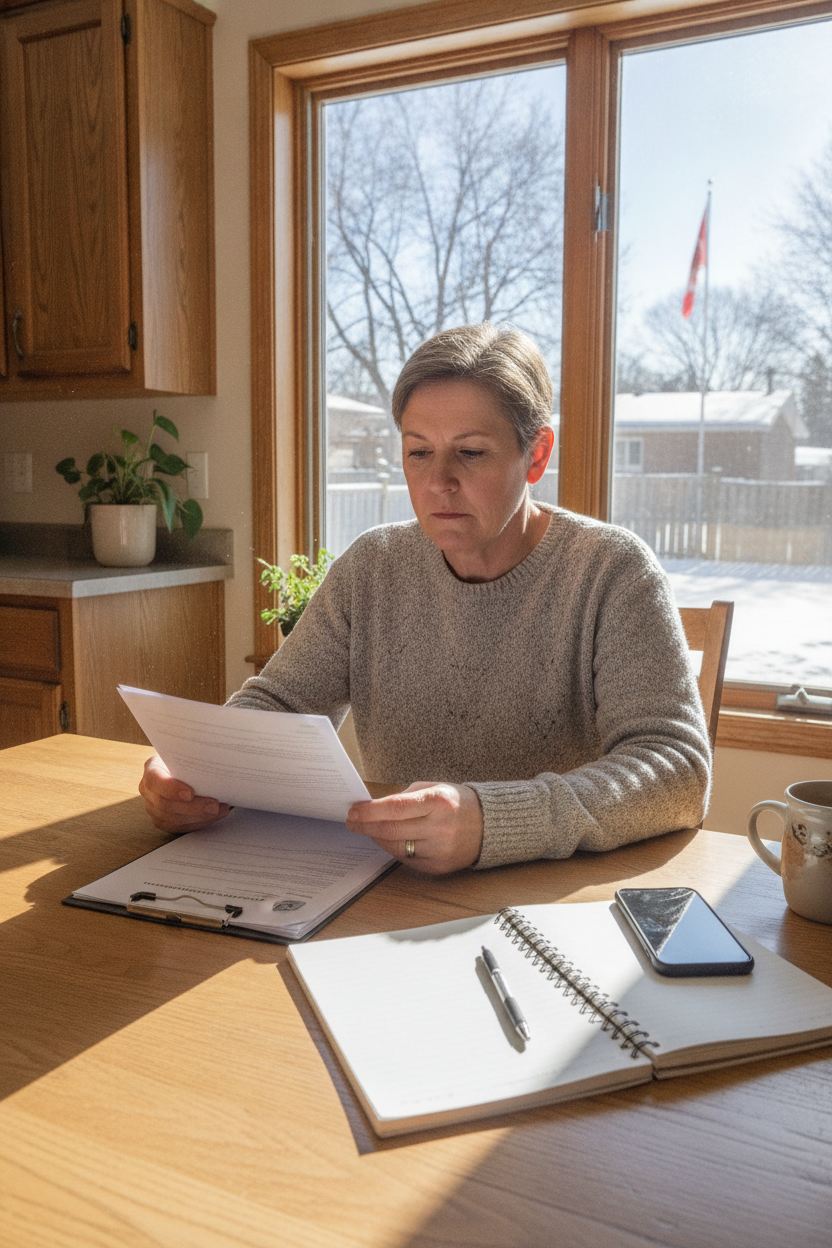
When a municipality targets a fence, a “naturalized” lawn, or a noise complaint, the fastest way to lose ground is to respond with assumptions. Start with what’s measurable and provable: the exact bylaw section cited, the date and method of service, the photos an officer took, and the condition of your property on that day. Build a clean record—your own photos, receipts, timelines, and polite written requests for clarification. If a dispute reaches a tribunal or court, your credibility matters as much as your position.
“Rights are strongest when you can point to the text, the facts, and the record.”
Our approach is “king of your own castle” in the practical sense: you control your land, but you don’t get to ignore the law. We do not promote harassment, made‑up legal theories, or refusal to comply with the Criminal Code. Instead, we encourage careful reading of authority: what a bylaw actually regulates, who it applies to, what discretion is built in, and what procedural steps must be followed before penalties escalate. Where cases exist—such as Ruck v. Mississauga—we treat them as examples to study, not shortcuts or guarantees.
If you believe a town hall is acting like a corporation enforcing corporate rules on residents as “customers” of water, sewer, or services, the responsible path is still the same: document the overreach, ask for the legal basis in writing, and challenge decisions through the channels that courts recognize. That’s how you defend your property without being bullied—and how you stay persuasive when you ask others to listen.
— Sovereign Citizen Rights
— Property Rights FAQs —
Your Home, Your Rights: Common Questions
Practical, court-aware answers for Canadian homeowners navigating municipal bylaws. We focus on documentation, respectful communication, and arguments you can support with evidence—while staying bound by the Criminal Code and the courts.
Often it can, but it depends on what the bylaw says, the municipality’s authority, and the facts. Start by reading the exact text, noting definitions (e.g., “yard,” “nuisance,” “structure”), and confirming the enabling legislation. Then document your situation (photos, dates, measurements) and keep all communication in writing. We focus on court-recognized reasoning—not “magic words.”
Stay calm, ask for the allegation in writing, and request the specific bylaw section being relied on. Gather evidence immediately (photos/video, witness notes, receipts, survey or lot plan) and keep a timeline. Be polite and factual in replies, and avoid escalating the conflict. If you need help organizing your materials or framing questions, contact us.
You can raise the issue, especially where the bylaw language is vague or unevenly enforced, but treat it as an evidence-based argument—not an automatic exemption. Document the condition of your yard, safety impacts, drainage, visibility, and any comparable properties. Where available, use municipal policies, published standards, and prior decisions to support your position.
Not automatically. Canadian courts often recognize that municipalities can regulate certain property impacts, but enforcement still has to follow lawful authority, proper procedure, and fair interpretation of the bylaw. Your strongest position usually comes from facts: boundaries, measurements, decibel limits (if any), times, and whether the bylaw is being applied consistently and reasonably in your circumstances.
Use cases to understand how courts analyze facts and legal authority—not as a one-line trump card. Read the decision, note what was actually decided, and compare the key facts to your own situation. Quote only the parts that directly apply, and be ready to explain the similarities and differences. If you cite a case in a letter, keep it brief and accurate.
No. We provide legal information, education, and practical guidance on how to document issues, read bylaws, and communicate respectfully. We don’t tell you what to do in your specific case, and we don’t represent you in court. If you need legal advice, we encourage you to consult a licensed lawyer or legal clinic in your province.
TAKE A LAWFUL NEXT STEP
Document your property dispute—then test it against court‑recognized principles
If you’re facing a fence, noise, or lawn notice, we’ll help you organize facts, read the bylaw, and frame questions in a Charter-aware, evidence-first way—without overclaiming authority. Respect the courts, stay within the Criminal Code, and advocate clearly.
Bring dates, photos, letters, and the exact bylaw section—details matter.
Facts first. Courts respected.