— Our Standards —
People Building a Court-Respecting Movement
We’re homeowners, researchers, and civic participants committed to evidence, citations, and lawful advocacy—bound by the Criminal Code and guided by Canada’s courts and the Charter.

Avery M. Collins
FOUNDER & EDITOR
Curates court-recognized sources, sets the site’s boundaries (no conspiracies), and frames “castle” arguments in plain language Canadians can use responsibly.

Jordan K. Patel
PROPERTY RIGHTS LEAD
Focuses on practical bylaw disputes—fences, noise, and lawn naturalization—emphasizing documentation, respectful communication, and arguments that survive scrutiny.

Sofia L. Tremblay
CIVIC ENGAGEMENT LEAD
Helps members participate in democracy: delegations, letters, and meetings that challenge claimed authority without harassment—centred on Charter values and due process.

Marcus J. Nguyen
RESEARCH & CITATIONS
Verifies claims against decisions and statutes, highlights examples (including Ruck v Mississauga), and keeps our guidance grounded in what courts recognize—not wishful theory.
— Our Principles —
Our Five Promises
We advocate for Canadian property and Charter rights with facts, citations, and respect for the courts. These promises set the boundaries: lawful conduct, evidence-first arguments, and civic participation—without conspiracy thinking.
01
RULE OF LAW
We respect Canadian courts and due process
We recognize the authority of the Superior Court and Courts of Appeal, and we do not promote fantasies of “opting out.” Rights are asserted through lawful procedures, credible evidence, and careful reading of statutes, bylaws, and decisions.
02
CRIMINAL CODE
Rights never excuse harassment or harm
Members remain bound by the Criminal Code and accountable for their conduct. We support calm, non-violent advocacy, respectful communication with officials and neighbours, and disciplined, document-based dispute resolution.
03
CITATIONS FIRST
We make claims courts can recognize
We distinguish opinion from legal argument and prioritize sources you can verify: legislation, written policies, and reported cases (including examples like Ruck v Mississauga). If we can’t cite it, we won’t present it as law.
04
PROPERTY RIGHTS
Your home is your castle—within the law
We defend the idea that people should not be bullied on their own property, while staying grounded in what Canadian courts will accept. We explore practical issues—naturalized lawns, fences, and noise—without overclaiming immunity from valid enforcement.
05
DEMOCRACY
We question authority by participating
Defending Canada’s democracy means showing up: voting, speaking at council, requesting records, and insisting on fair process. We aim to be a voice for the voiceless and challenge overreach—such as when a municipality treats bylaws as control over residents, not service customers.
— Court‑Recognized Examples —
Principles in Practice
Selected Canadian decisions & records, summarized for education
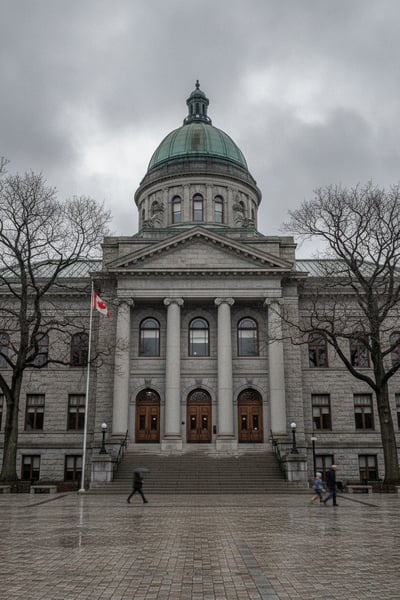
No. 01
A courtroom record: what was argued, what the judge accepted, and why
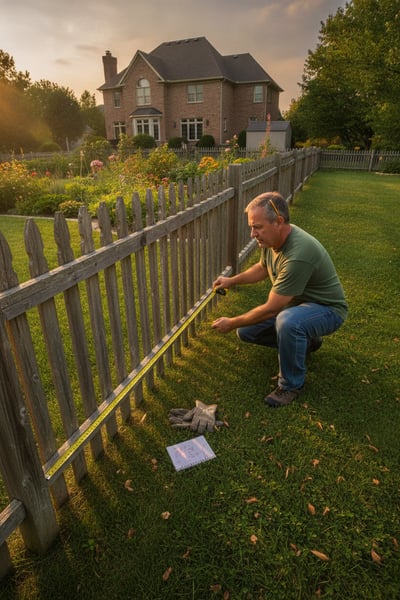
No. 02
Property boundaries and bylaws: documenting facts before making claims

No. 03
Naturalized lawns: focusing on evidence, safety, and the actual wording of rules

No. 04
Reading decisions carefully: separating persuasive points from overreach

No. 05
Questioning authority lawfully: letters, meetings, and the public record

TAKE THE NEXT STEP
Get grounded in lawful advocacy
Explore our standards—Charter-first, evidence-based, and court-respecting. Learn how to question claimed authority without overclaiming yours, while staying bound by the Criminal Code and committed to democratic participation.